Little Blog Inspiring Gratitude One Person At A Time. Watch Incredible Things Happen To Change People One Experience At A Time.
Doris Lim Writes Gratitude


Celebrate Labour Day as National Superhero Day
Historically, we celebrate Labour Day as a celebration of workers’ economic and social achievements – which includes the establishment of the 8-hour day in many countries during the 1800s.
In many countries, we celebrate Labour Day. International Workers’ Day is celebrated on 1 May – and referred to as May Day.
In the U.S., Labour Day is celebrated on the first Monday in September. This day constitutes a yearly national tribute to the contributions workers have made to the country’s strength, prosperity, and well-being.
We celebrate Labour Day with the World’s Toughest Job.
Most of us think our jobs are the most stressful, challenging, demanding, and difficult. But if you are desk-bound, working a 9 to 5, you probably have it good.
You get to go off and do a bit of exercise before heading home to dinner and TV.
Some jobs require superhero powers to accomplish – these are physically, mentally, and emotionally challenging.
Everyone thinks their work is significant, brings value, and deserves to kick back and enjoy our day of rest as laborers.
How COVID-19 Defines Labour Day
The pandemic has changed everything. While many workers can work from home, others still go to work daily.
Others employed in “essential services,” those in healthcare, retail, delivery, have continued working as usual to keep the country functioning. They may face a higher risk of potential exposure to the virus.
Have you ever thought of who brings you bread, parcels, food? Those who keep your communities clean, sweep the roads, clean up, and keep your electricity, gas, and telecommunications going.
“No work is insignificant. All labour that uplifts humanity has dignity and importance and should be undertaken with painstaking excellence.” – Martin Luther King, Jr.
Not everyone can work from home. Social distancing is a luxury not everyone can afford.
A significant portion of the population has lost their jobs. In Malaysia, hotels, retail, and even print media businesses have shut down in the wake of the mandated lockdown orders.
Feasibility of remote work
Only workers in finance, banking, insurance, public administration, and most professional services can work remotely.
The Occupations carry the highest risk of infection from COVID-19.
The health sector is the most exposed to diseases and infections. At the same time, the services sector is the riskiest in terms of physical proximity.
Workers most exposed at risk
Frontline healthcare workers are most at risk. Doctors and nurses treating coronavirus patients in the emergency ward face exhausting 12-hour long shifts. The scenes are heartbreaking because of the hospital’s no-visitor policy.
The toughest part of the job – offering as much emotional support as possible as COVID patients die helpless and without their family members beside them.
“You can’t see your loved one and then they’re gone.”
Why do these people take on such a demanding job?
The reason is their reward goes beyond monetary compensation. They know that they have made a positive impact on their communities, society, and the world.
We pay tribute to the “greatest workers,” the front-liners who are staying at work: our medical professionals, paramedics, policemen, and essential workers. We remember the workers who keep our communities safe and clean. We celebrate Labour Day for these superheroes.
Front liners
Paramedics – keep long runs of up to 14 or 15-hour shifts and are in a stressful and emotionally challenging job to respond to emergencies.
Surgeon – operate on patients and treat trauma and injuries the unexpected circumstances during an operation. They have the added stress not to make a wrong decision that can end in a fatal error.
Police Officer – tough professionals, dealing with all types of crime they will face daily, and putting their lives on the line to keep everyone else safe.
The world’s top hardest jobs many laborers may pale compared to the extreme stress our front liners are going through right now in many countries.
However, these are very hard, challenging jobs that make us work 9 to 5 in offices most fortunate in our little bubble.

Life-Threatening and Trauma
Military Personnel – most stressful as deployment in war zones can be extremely traumatic. Being away from home for months. The fear of injuries and casualties can cause great anxiety, with many troops left with psychological problems.
Police Officer – put their lives on the line every day to deal with life-threatening situations such as armed robberies and arresting dangerous criminals. A lot of stress and other related health problems.
Mercenary – they deploy private military contractors in very hostile areas and put their lives at risk every day. High trauma and under extreme stress.
Firefighter – on 24/7 call to risk their lives every day to protect the lives of the general public. Need to respond to emergencies, including car crashes, water rescue, chemical spills, and fires. Last-minute shift changes can also add a strain on their personal lives.
Bodyguard – live under extreme pressure and serve as a human shield to protect a politician, celebrity, or businessman from all threats or other criminal offenses. Ability to react within seconds.

Dangerous
Alaskan Crab Fishermen – the most dangerous job in the world with arduous weather and working up to 24 hours non-stop searching for crab in rough seas.
Search and Rescue – the ability to think on your feet and work fast under extreme circumstances to save lives. Coast Guard facing high seas, deep in caves, or a mountain rescue team facing sub-zero temperatures at night.
Prison Worker – extremely stressful to manage a large group of convicted violent criminals.
Stuntman – pure adrenaline rush and the most challenging careers that involve jumping off buildings to being lit on fire.
Mountain Guide – an extremely challenging and responsible job that is physically demanding. You will oversee everyone’s safety and enjoyment on the trip.
Painter – extremely hazardous as the need to climb to reach areas that require painting on tall buildings. Susceptible to falls and injuries.
Roofer – The most challenging of all construction roles and exposed to weather-related issues and the danger of falling.

Hazardous
Electronic Waste Recycler – dangerous job, with the possibility of inhaling harmful toxins daily and working in an unsafe environment.
Sanitation Worker – face horrible stenches, rats, dead pigs, and cows and work in any weather condition.
“The highest reward for a man’s toil is not what he gets for it but what he becomes by it.” – John Ruskin
Metal Crafter – experience negative health effects in the long-term form from the inhalation of various chemicals it exposes them to.
Landmine Remover – private landmine removal is dangerous and requires skilled workers to complete the job without causing a potential disaster.
Mental Challenges
President – one of the hardest jobs full of trials and tribulations, can take a toll on one’s mental health.
Astronaut – mentally strong and physically fit to able to withstand long missions of isolation in space. Ability to stay calm under pressure and able to handle a crisis. The experience of looking down on the earth from space is immeasurable.
Carpenter – rewarding job that is physically and mentally challenging to plan and build.
Mortician – face death daily to prepare the deceased for burial, including cleaning, embalming, grooming, and dressing them.

Labour Intensive
Farmer – labor-intensive and working in, all-weather dealing with large animals, and producing crops. Tough on the mental and physical state.
Spiritual
Pastor -A pastor or church leader deals with the eternal and spiritual nature of things. Churches often give the pastor or other leader’s responsibility without authority and may expect the pastor’s family to be involved in his work. If a pastor preached just two sermons a week for fifty weeks in a year, he would have written the equivalent of nine novels.
“The time is always right to do what is right.” – Martin Luther King, Jr.

Fatigue
Driver – chauffeuring passengers for over eight hours a day is an enormous responsibility. Whether it’s a taxi, bus, or train, drivers need to have they’re on the road at all times.
Airline Pilot – one of the toughest professions to be responsible for the safety of hundreds of passengers. A pilot must deal with weather delays, disgruntled or unruly passengers, and the danger of terrorist attacks.
Taxi Driver – Being stuck in a car and dealing with rush hour traffic, lunatic drivers, bad weather, drunk and rude passengers can make any working day very stressful for a taxi or Uber driver.
Physically challenging work
Lumberjack -Being a lumberjack requires spending all your time working outdoors and often during hard weather. This job is challenging, considering that it is intensive and highly hazardous because of falling branches, trees, and moving machinery.
Oil Rig Worker – a physically and mentally taxing job that involves long hours in a challenging and hostile environment. Wages are often calculated hourly with accommodation and meals included. The typical work schedule will involve working on the rig for 6 weeks, followed by 6 weeks of leave.
Communication Tower Climber – according to Lousy, this is one of the deadliest jobs in the world, which still results in 20 deaths each year on average in the US. The tower is over 1000 or 2000 feet, and the workers must often climb these heights in extreme weather when things go wrong.

Stressful Jobs
Sports Manager and Referee – sleepless nights with constant verbal abuse and death threats. Traveling to sporting venues and being on the road away from family.
Teacher – hectic to ensure their pupils’ work is marked and lesson plans are completed. Teachers also deal with a variety of unique personalities, including disruptive students.
Telephone Operator /Telemarketer – meeting a ridiculous number of targets to hit to get a paycheck at the end of the month. Talking to people and dealing with angry customers.
Customer Service – dealing with angry customers who may be abusive.
Mental Health Counsellor – need to be calm to help patients get better through addressing emotional and mental disorders. Patients can often be verbally or physically abusive.
Social Worker – long shifts late nights to care for vagabonds, patients who are elderly, children, sick, or with mental health problems. The satisfaction of making a positive impact on someone’s life can make all the stress worthwhile.
IT Manager – when systems go down, IT Managers need to think on your feet and come up with effective solutions.
Bartender –added pressure from drunk customers and listening to problems, spending hours on end on your feet and traveling home late at night.
Lawyer – long hours research cases for litigations and the burden to win a court case can be very demanding and often leave many lawyers feeling burned out.
Senior Corporate Officer – making important decisions and spending hours after work to socialize and make sure everything runs smoothly.
Public Relations Executive – pressure and responsibility for their clients’ reputation or the company they work for. They must work at all hours to deal with celebrities and public figures.

Deadlines Jobs
Broadcaster -responsible for researching, reporting, and announcing breaking news on television. Must be able to handle technical errors to an interviewee acting out.
Reporter – news reporters can be in dangerous locations with brief notice. Once you have the news piece, you must rush off to get it published before your competition does – all for a low salary.
Event Coordinator – Coordinating big events like weddings and mega-events can be stressful when things start to go wrong. It would help if you had good connections and be a good problem-solver to survive in this cutthroat industry.
Architects – most architects work full time, many work long hours, especially when facing deadlines. The toughest challenges are the 24-hour studio culture that has come to pervade the architecture profession.
Contractors – Most contractors struggle to meet deadlines as labor and material shortage persist. The project may continue later and complete before or near the deadline.
We celebrate Labour Day.
Learning the value of hard work is essential. While the world’s countries have implemented the largest and most restrictive mass quarantines, some may initially take it as a free holiday. Employers are worried about their business losses, employees – possible pay cut, or even losing their jobs.
We learn and appreciate other intrinsic values such as strength, patience, tolerance, or generosity during these times. We learn to dismiss the mistaken idea that everything comes doing nothing. Work contributes to our happiness, health, confidence, and wellbeing.
Why do we work?
We work to improve our lives, our families’ lives, improve our lives, and make ourselves happier. While many worldwide still work at menial tasks to pay for the most necessities, we work beyond the basic call for survival.
We need to survive and thrive in this season. And we reach out to help those in need.
Today as we celebrate Labour Day, reward yourself and celebrate your hard work – even if you’re at home or alone. No matter your profession, takes a refreshing breath and enjoy a break. Kicking back is that much sweeter when you’ve earned it.
We end this post with a tribute from @EU_Commission
On #LabourDay, we pay tribute to all the essential workers who make our lives easier and safer in times of #coronavirus. We thank them all! – European Commission.
Source:
National Superhero Day: A Look Inside a COVID-19 Unit with Local Healthcare Heroes
10 Challenges Every Pastor Will Face
These are the occupations with the highest COVID-19 risk
A day fighting COVID-19: U.S. hospital staff share hardest moments on shift
The 10 Toughest Jobs on the Planet
Images: Piqsel
Did you know that your smartphone can kill you before the COVID-19 virus?
Did you know that your smartphone can kill you before the COVID-19 virus?
Browsing the Internet and staying connected with our mobile devices has become almost second nature to many of us.
You probably spend more time on your device more than anything else during the lockdown. With free WIFI and streaming, you get to toggle between Netflix, emails, zoom calls, games, listening to your music, and even exercising with your smartphone.
You sleep with it next to you. Say all your “Good Mornings” to your groups on WhatsApp, Telegram, and WeChat.
Exchange memes, gifs, videos, and share links and news faster than any news portal.
But is it safe?

Is your smartphone secured?
Most of the time, we think of keeping our smartphones safe from thefts, viruses, and hacks.
Our smartphones hold a massive amount of personal data. Most of us create strong passwords and our phone’s software up to date to keep our data private.
This is just keeping our smartphone secured.
Are you addicted to your smartphone?
When do you allow your child to use a smartphone?

How the battery in your smartphone could kill you.
Constantly checking the news for more bad news is very bad for your health. It is hard to escape the sense of panic around Covid-19. If you get into a cycle that leaves you with chronically high anxiety levels, this may lead to fear and depression.
It would help if you prioritized your self-care when it comes to mental health. What you see, what you listen to, what you hear.
High levels of cortisol, your body’s stress hormone, can lead to all kinds of health issues, including heart attacks, dementia, diabetes, and depression.
The battery could overheat and explode.
Constant and repeated use of your hand-held device can cause the temperature inside the battery to rise rapidly. The battery can explode due to the increased pressure.
Your handphone could overheat and burn you.
If it creates a spark, the flammable liquid can ignite, causing a fire.
Temperature rise slowly
The battery can melt, and the liquid inside can leak out.
The smartphone radiation could give you cancer.
Cell phones emit radiofrequency radiation (radio waves), a form of non-ionizing radiation, from their antennas.
Your data connection speed depends on your device and your cell network, and the antenna’s signal quality. Parts of your body nearest to the antenna can absorb this energy.
You could fall down the stairs (or off a cliff) while texting and walking.
Texting while walking is the same as distracted driving. You can injure yourself or others and cause an accident.
You could die while taking a selfie.
The growing list of serious injuries and deaths before, during, or after taking a photo of themselves due to accidents is alarming. Your smartphone can kill you only if you use it the wrong way.

Its battery dies, and you could end up having a complete meltdown.
A cellophane battery dying is worse for most people than a car battery before it forces you to grind to a halt. I can’t think, function, and at a complete loss without a smartphone. Carry a spare with you then.
Taking your phone to the bathroom
Unlike household alkaline batteries, which have a cell voltage of 1.5 volts, lithium-ion batteries have a cell voltage of 3.7 volts.
Using your phone in the bath or shower can be deadly. It electrocutes you as the electric shock sends high voltage or amps through your person’s body.
Sleeping with your smartphone isn’t so smart, okay?
According to the California Department of Public Health; Sleeping with your phone in your bed, near to your head, or under your pillow could increase the risk of brain cancer and tumors of the acoustic nerve and salivary glands.

Is your smartphone the silent killer?
That little smartphone you keep in your pocket, purse, or under your pillow at night has the potential to burst. All lithium-ion batteries are the same no matter what device it’s in – they all carry identical risks.
Spare batteries follow the same rule as those in your smartphones and can not be checked during flights. All airlines want you to carry them because they are afraid of the batteries touching, shorting out, and causing an explosion during a flight.
Exploding smartphone battery – what to do in case your phone explodes.
There are signs to look for in case of an exploding smartphone battery. You can feel the device heat up or feels unusually hot.
A spark can easily ignite it. If you use WIFI, Bluetooth and GPS simultaneously, it will cause the phone to overheat. The battery could overheat and explode. You wouldn’t want your smartphone to kill you before the virus.

Your smartphone can kill you, and the charger could electrocute you.
You can save money and buy all sorts of chargers and cables. When you use these to charge the device, it will be slower than the charger that came with the phone. A charger relies on the contained transfer of a certain amount of electrical current. If the electrical transfer is not properly contained, unsuspecting phone users can end up shocked, burned, and in some cases, hospitalized.

Unless you live a life in a signal black spot, you will need to lock your smartphone in a safe and throw away the key.
Source:
Thai teen electrocuted to death while charging the smartphone.
How to Create a Vision Board That Inspires Your Life After 40
One of the goals I set for myself a few years ago was to create a vision board.
When I sat down to list my 101 goals, I was completely stuck.
That’s when my coach, Ais Sarah, suggested a simple way to get started—and it changed everything.
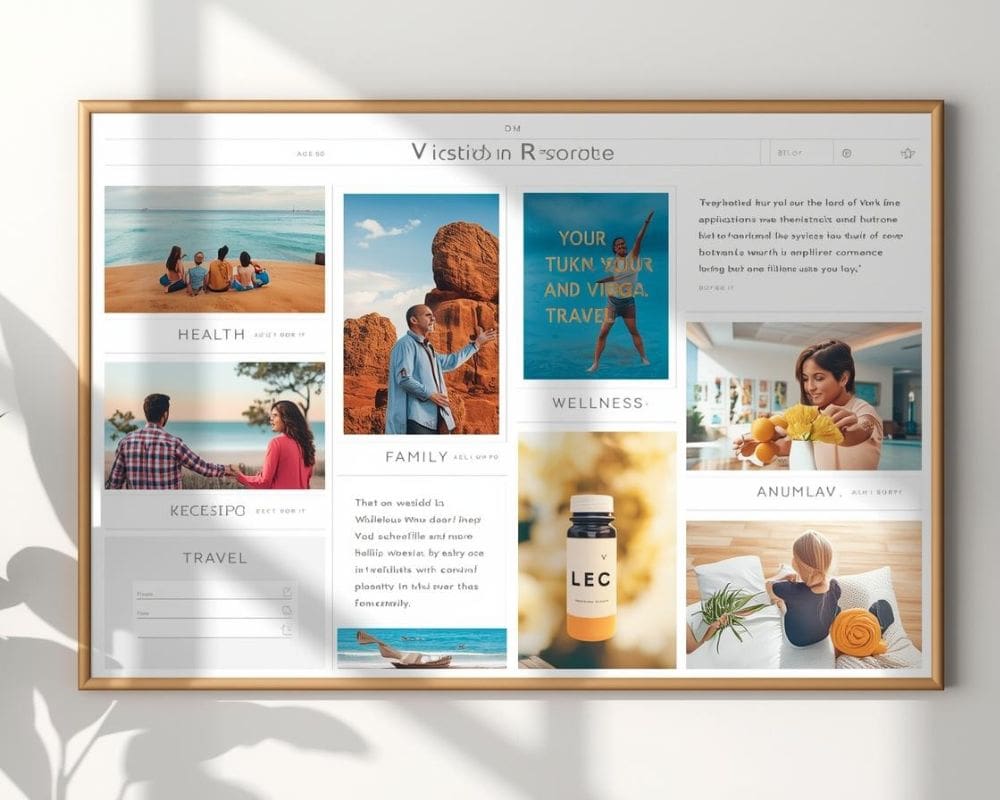
The method is simple.
Find a large piece of paper—you can tape two A4 sheets together to make it bigger.
Gather magazines or printouts that speak to you, cut out the images that resonate, and paste them onto your board.
That’s it.
What is a vision board?
A vision board is a visual reminder of what matters to you.
It brings your goals to life in a way that words alone often can’t.
Think of it as a personal snapshot of your aspirations.
Why make a vision board?
A vision board helps you focus, clarify, and concentrate on your goals.
It’s not about magic.
It’s about creating a daily visual cue of what you want to accomplish.
Be it personal growth, health, travel, or experiences you’ve always dreamed of.
What to include on your vision board
Your vision board can be anything that inspires you.
Words, photos, quotes, or even small items that hold meaning.
For readers in their 40s, 50s, or beyond, you might include:
Health and wellness goals, like hiking, yoga, or walking regularly.
Personal growth and new hobbies, such as painting, writing, or learning a new skill.
Family moments, celebrations, or memories you want to create.
Travel dreams. You don’t need to travel every month. Just a few inspiring images of places you hope to visit—a quiet countryside, a favorite city, or a long-awaited overseas destination—can remind you that it’s never too late to explore.
Supplies you’ll need
A poster board or corkboard
Old magazines, printouts, or photos
Scissors, glue, and tape
Pushpins or markers if you want to add personal notes
A couple of hours to focus on yourself
How to start
Think about what matters most to you at this stage of life. What brings you joy, energy, or peace?
Gather images, words, or objects that represent these goals.
Arrange everything on your board before gluing it down. Play with layouts and see what feels right.
Glue, pin, or tape your items in place. You can always add more later.
Display it where you’ll see it
Place your vision board somewhere you’ll see it daily—a bedroom, home office, or living area.
The goal is to make your aspirations a part of your everyday life.
Does it work?
Vision boards work because they make your dreams tangible.
When you see your goals every day, it’s easier to plan, take small steps, and stay motivated.
For readers in midlife, it’s a simple, creative way to focus on what truly matters:
Your health
Happiness
Your family
Meaningful experiences
Remember, the board only works if you act on your goals.
Set clear steps, celebrate small wins, and enjoy the journey.
If travel is one of your dreams:
Even small trips can bring joy
Simply planning future travels can inspire and motivate
It’s never too late to explore and experience new place