Portfolio

Man Bites Dog and Other Tall Tales at Straits Echo
Straits Echo and the Awestruck Schoolgirl

The early 1970s were thrilling for me.
Fresh out of my MCE, I had one burning dream: to become a journalist.
By chance, the printing plant of Straits Echo sat at the corner of Penang Road and Argyll Road, easy to reach by bus.
My heart raced as I walked in, unsure what to expect.
There he was — the formidable S.H. Tan, Editor in Chief.
To my amazement, he offered me a job as a cub reporter.
I didn’t take the position, but that moment sparked a lifelong fascination with storytelling.
Falling in Love with the Newsroom
Even without starting work, the newsroom captivated me.
The “tall model” Olympia typewriter clacked rhythmically, a sound that felt oddly magical.
I curled my fingers into claws, trying to make my own version of the hypnotic rhythm.
The printing press was a beast of a machine, crusted with ink and humming like it had a life of its own.
S.H. Tan’s stories about the press made it feel enchanted.
Every sight, sound, and smell planted seeds of inspiration.
Lessons from S.H. Tan
S.H. Tan’s lessons were unforgettable:
Headline magic: “Man Bites Dog.” Look for the unusual. Make readers stop and notice.
The Five Ws and One H: Who, What, Where, When, and How — or as he joked, Four Wives and One Husband.
Even without taking the cub reporter job, these lessons stayed with me.
I learned that storytelling is about curiosity, observation, and connecting with people, not just writing words on a page.
Life’s Detours
Life pulled me down other paths.
I spent decades in architecture and construction.
Running projects and turning other people’s dreams into concrete reality.
Yet the memory of Straits Echo — the typewriter, the ink-stained press, S.H. Tan’s mentorship — never left.
It was a quiet spark, waiting for the right moment to ignite.
Along the way, I explored travel writing, event planning, and copywriting.
Each adventure added layers of experience, patience, and wisdom.
Returning to My First Love
Eventually, I returned to writing.
Blogs like SmartDory and Travelstylus, online publications, inflight magazines, and copywriting became my creative outlets.
I could finally answer a long-unanswered question from a colleague.
“Are you happy?”
Yes.
Writing daily fulfills me.
I am a happy old girl, carrying forward lessons and inspiration from that first awe-filled encounter at Straits Echo.
Why Straits Echo Matters
S.H. Tan’s story itself was extraordinary:
A poor farmer’s son, in the wrong place at the right time.
A teen POW under the Japanese, learning English from British officers.
Later, an editor who shaped countless young lives.
He taught me that writing is about people, curiosity, and impact — lessons that resonated long after my brief encounter.
A Shared Nostalgia
One reader wrote:
“Love your blog, Doris! I too was a reporter at Straits Echo from 1975 to 1977… I hope to meet old Straits Echo buddies. God bless!”
Comments like these remind me that the love of storytelling is timeless, and the magic of Straits Echo continues to connect generations of journalists.
From Awestruck to Fulfilled
Looking back as someone older and wiser, I see clearly that my journey into writing wasn’t sudden.
It was a gradual, inspired path, shaped by awe, mentorship, and curiosity.
Straits Echo didn’t just offer a job; it offered a first glimpse of the magic of words.
One that has guided me through decades of adventures and ultimately back to my first love; writing.
P.S. If you ever wonder why I’m often wandering George Town or lingering at Emily Darling Café, it’s because these spots hum with memories from my Straits Echo days — typewriters, ink, and a schoolgirl’s wide-eyed wonder still echo in those walls.
Understanding the Stages of Love: A Gentle Guide
Understanding the Stages of Love: A Gentle Guide
Your heart feels full. Restless. Maybe even out of control.
Being infatuated with someone can feel thrilling. Confusing.
Overwhelming. You think about them constantly.
You imagine every interaction.
Take a breath. What you’re feeling is not madness. It is love. Real, human, and wonderful.
These intense emotions are a sign of connection. They show how deeply you care, and how alive your heart is.
Understanding the stages of love can help you make sense of these feelings.
They sometimes feel too big, too urgent, too bright. But they are part of a natural journey.
Seeing love as a series of phases allows you to approach your heart, your partner, and your connection with calm, patience, and clarity.
What feels overwhelming now is just one step in a larger story.
A story that can grow into something steady, fulfilling, and enduring.
Puppy Love
The First Crush.
It often starts small. A smile. A glance. A fleeting connection.
This is puppy love—the stage of early crushes or adolescent infatuations.
Even as adults, these feelings can be intense. Your mind replays conversations. You imagine possibilities. You daydream constantly.
These early emotions are not a flaw. They are part of learning what love feels like.
Reassurance: Feeling this strong is proof that your heart is alive. It’s the first spark of connection, and it is beautiful.
Tip: Acknowledge your feelings. Write them down. Share them with a trusted friend. Let yourself feel without judgment.
Young Love
Intense and all consuming love.
As feelings grow, they can feel overwhelming.
This is young love. It brings excitement, highs, and lows. Your thoughts may revolve around them. Obsessive feelings are normal.
It can feel dizzying, but these emotions are a natural part of love. They show your heart is open and capable of care.
Reassurance: Loving this deeply is not madness. It is human, and it can be returned. Even if the outcome is uncertain, the feelings themselves are meaningful.
Tip: Notice when your feelings are about reality versus a fantasy. Clarity protects your heart while keeping the joy of loving alive.
Falling in Love
The spark that consumes.
When infatuation deepens, it becomes falling in love.
Your mind and body feel alive. Every moment feels urgent and exciting. Dopamine and oxytocin heighten every emotion.
You may feel obsessed or anxious. That is normal. These feelings are part of being truly, beautifully alive in love.
Reassurance: Feeling consumed is not a flaw. It is the wonder of your heart discovering connection. It is not madness—it is love.
Tip: Stay grounded. Maintain routines, friendships, and hobbies. Balance keeps your heart open without being overwhelmed.
Being in Love
Deep connection and vulnerability.
At this stage, you care deeply. Not just about how they make you feel, but about them.
Being in love involves intimacy, attachment, and vulnerability. It can bring joy and fulfillment. It can also feel scary.
Reassurance: Your vulnerability is a strength. Feeling this deeply is a sign your heart is capable of connection, care, and trust.
Tip: Focus on who the person truly is, not just the idea of them. This leads toward mature love and lasting connection.

Staying in Love
Patience and commitment.
Sustaining love takes effort.
It is quieter than the rush of falling in love, but it is deeper.
Key practices include:
Honest, open communication
Intentional time together
Physical and emotional affection
Support through challenges
Forgiveness and patience
Reassurance: Long-term love is not about constant excitement. It is about shared care, understanding, and a willing heart.
The 5 Stages of Love
Understanding the stages of love helps navigate intense emotions without feeling lost.
Honeymoon/Euphoria Phase – Excitement, infatuation, idealization.
Disillusionment/Power Struggle Phase – Conflicts appear; differences emerge.
Negotiation/Exploration Phase – Partners learn to compromise, communicate, and adjust.
Resolution/Decision Phase – Acceptance grows; conscious choices strengthen connection.
Commitment/Wholehearted Love Phase – A lasting, respectful relationship is built.
This cycle is natural. Revisiting stages is normal. Growth happens at each step.
Reassurance: The intensity you feel now is part of the journey. Love is not a mistake. It is not madness.
Why This Matters to Love-Sick Hearts
If your heart feels restless, consumed, or overwhelmed, remember this:
Your feelings are real and human.
Infatuation, puppy love, and young love are signs of a capable, open heart.
Feeling consumed does not mean you are lost. It means you are alive in love.
Love can evolve into mature love, or teach you about connection even if it fades.
Takeaway: Being swept away by love is a wonderful part of being human. Understanding the stages of love brings calm, clarity, and reassurance. Your heart is capable. Your love is valid.
What Are The Types of Gratitude?
Gratitude is more than a polite “thank you.”
It’s a way of noticing the good in life, a quiet shift in perspective that can truly change everything.
Understanding the different types of gratitude helps us see opportunities, strengthen connections, and feel more alive.
There are three main types of gratitude: appreciation, goodness, and growth.
Each brings its own gifts, and practicing all three can gently transform your days.
Appreciation
Appreciation is the first type of gratitude.
It’s about noticing the simple blessings around you—health, friendships, a cozy home, or a fulfilling job.
While appreciation and gratitude are closely related, they are not exactly the same.
Appreciation recognizes value.
Gratitude expresses thanks.
Both nurture mental health, lower stress, and brighten your outlook.
Simple practices can cultivate appreciation.
You might keep a gratitude journal, write a quick note to someone, or spend a moment reflecting on what’s good.
Even small acts, like savoring your morning coffee, count.
The more you notice the positives, the more life’s little joys multiply.
Every smile, kind word, or quiet moment becomes a chance to feel grateful.
Appreciation shows how gratitude can change circumstances, turning ordinary experiences into moments of joy.

Goodness
The second type of gratitude is goodness.
This is about noticing the kindness, support, and generosity of others.
It’s about recognizing the good in people and valuing it.
Goodness strengthens relationships and encourages more positive behavior.
When we express thanks for others’ actions, we create a ripple effect.
Our gratitude inspires them, which inspires us back.
Have you ever heard the phrase, “goodness of your heart”?
That’s exactly what this type of gratitude celebrates.
By noticing the goodness in others, we nurture connection and compassion, while quietly transforming our environment.
Combining goodness with gratitude enhances self-worth and purpose.
Seeing the good, acknowledging it, and expressing thanks can soften challenges and illuminate possibilities.
Gratitude helps life feel lighter, even in difficult moments.

Growth
The third type of gratitude focuses on personal development.
Gratitude helps us recognize challenges, mistakes, and setbacks as opportunities to learn.
Growth and gratitude are deeply connected.
When we appreciate lessons from life, we build resilience and a sense of accomplishment.
Gratitude keeps us grounded, even as we strive to improve.
By practicing gratitude for our progress, we create a positive cycle.
Each step forward, no matter how small, becomes meaningful.
Every lesson, every effort, and every victory inspires more growth.
Research shows that gratitude strengthens motivation, reduces stress, and fosters positivity.
By combining growth and gratitude, life’s obstacles feel less heavy, and everyday wins feel brighter.

Making Gratitude a Habit
The key to experiencing all types of gratitude is consistency.
Gratitude isn’t occasional.
It works best when practiced every day.
A simple method is keeping a gratitude journal.
Write three things you are thankful for daily.
They can be small—a sunny sky, a kind word—or big, like a career milestone.
Expressing gratitude to others also strengthens this habit.
Say thank you, notice someone’s goodness, and appreciate their presence.
These small gestures ripple outward, quietly transforming relationships and environments.
Remember, gratitude is a mindset.
Even in tough times, there is always something to notice and value.
Pausing to see the good, no matter how small, helps shift perspective and lift the heart.
Bringing It All Together
The three types of gratitude—appreciation, goodness, and growth—work together to nurture happiness, strengthen connections, and inspire resilience.
Every moment you notice something good.
Every kind word you offer.
And every lesson you embrace with gratitude subtly changes circumstances.
Life begins to feel lighter, brighter, and more full.
Gratitude is more than a practice.
It’s a gentle, guiding presence.
It reminds us to see the good, honor the people who support us, and appreciate our own progress.
When you make space for gratitude, it touches everything: your moods, your relationships, your goals, and even the way you see challenges.
Each day becomes a little richer, a little sweeter, and a little more meaningful.
By embracing the types of gratitude, you welcome a new way of living—one where even small acts of noticing, thanking, and reflecting quietly transform life.
Why the Chinese Love Money (All Year Round)
Let’s be honest — the Chinese love money.

We don’t even try to hide it. Money brings comfort, security, and that deep satisfaction of knowing life is in order.
Counting money is practically a cultural pastime.
Some count sheep before bed; we count bills and blessings.
Money and the Meaning of Prosperity
In Chinese culture, money isn’t just about wealth — it’s a symbol of prosperity, luck, and good fortune.
That’s why during Chinese New Year, you’ll hear wishes like Kung Hee Fat Choy or Gong Xi Fa Cai, which both mean “May your wealth increase.”
Forget “Happy New Year”; this is the greeting that truly matters.
Prosperity is something that flows through generations.
When a family does well, everyone celebrates.
When someone gets a promotion, it’s called “good luck.”
To us, wealth isn’t greed — it’s proof of hard work, discipline, and harmony at home.
Clearing Debts Before Chinese New Year
Every year before the Lunar New Year, Chinese households go into full action mode: settle every debt before midnight.
The telco bill, the water bill, even the electricity bill that comes at the worst possible time — everything must be paid.
“Aiyaahhh,” Mom would say, “the TNB meter man too early this year!”
Still, off we go to settle it.
The belief is simple — start the year clean and debt-free so new luck can flow in.
It’s a mix of tradition, superstition, and good financial sense all rolled into one.
The Ang Pow Tradition Lives On
Then come the famous red packets — the Ang Pow.
They may look small, but they carry powerful blessings.
Inside each red envelope isn’t just money, but a wish for happiness and wealth.
Married couples give them to the unmarried, parents to children, and employers to staff.
Even banks hand them out during Chinese New Year celebrations — or at least, they used to.
These days, some sundry shops try to sell Ang Pow packets, and every Malaysian Chinese Aunty reacts the same way.
“Buy Ang Pow?No need! Bank give free!”
It’s one of those cultural quirks that make us smile — some traditions should never be commercialized.
Money as a Blessing, Not Greed
When we say the Chinese love money, it’s not about greed.
Money represents stability, care, and the ability to provide.
It’s a reward for effort, not a measure of value.
To the Chinese, being thrifty, saving, and managing your finances are forms of respect — for yourself and your family.
Even home decorations reflect this love for prosperity and good fortune.
The gold Fu character (meaning fortune) is often pasted upside down — because in Chinese, “upside down” sounds like “arrived.”
It’s a fun way of saying “fortune has arrived.”
Add a money plant or a few gold coins around the house, and you’ve got yourself an auspicious start to the year.
Culture, Humor, and Everyday Luck
No story about Malaysian Chinese culture is complete without mentioning the legendary Men Riding Horse calendar.
Bright red, full of lunar details, and proudly hanging in every Aunty’s kitchen.
It’s how we track lucky days for cleaning, shopping, or starting something new.
Luck, money, and timing are woven into our daily lives — and we wouldn’t have it any other way.
Today, we may have swapped cash for e-wallets and paper Ang Pow for digital ones, but our values haven’t changed.
We still believe in working hard, saving smart, and sharing our blessings.
So the next time you wish someone Kung Hee Fat Choy, remember — you’re not just wishing them wealth.
You’re wishing them peace of mind, good fortune, and prosperity all year round.
No Room For Haters
Once, I was told that you truly know you’re on the right path when people start having issues with you—when haters appear.

At first, it’s easy to wonder why someone would invest energy in negativity toward you.
But the truth is, the presence of haters often means you’re moving forward in life, doing things that matter.
Haters and bullies exist at every stage of life.
They don’t stop at school, and they don’t disappear once you’ve built a career, a family, or a comfortable life.
Even in your 50s and 60s, online platforms, community groups, or social spaces can amplify negative behavior—criticism, gossip, or subtle passive-aggressive attacks.
And sometimes, older adults can become haters themselves, projecting their frustrations or insecurities onto others.
Understanding why people behave this way can help you respond wisely.
Haters and bullies are often motivated by jealousy, envy, or their own unmet expectations.
They might criticize or exclude to feel superior, or simply to cope with dissatisfaction in their own lives.
Recognizing that their behavior is about them—not you—makes it easier to stay centered and protect your peace.
Why Haters and Bullies Appear
Jealousy and envy: People often resent what they cannot achieve.
Insecurity: Criticism or exclusion can make someone feel superior.
Digital and community amplification: Social media or forums can escalate minor negativity.
Unmet expectations: Frustrations in personal or professional life can turn into subtle or overt bullying.
Signs You’re Dealing With a Hater or Bully
Gossip, backhanded compliments, or sarcasm
Exclusion from group activities or social circles
Overly critical or dismissive comments online or in person
Persistent judgment or subtle attempts to undermine your accomplishments
Even when subtle, these behaviors can chip away at confidence and make interactions draining. That’s why it’s essential to approach them thoughtfully.
Doing Life Well: Steps to Protect Yourself
Acknowledge without internalizing
Notice the behavior for what it is. You don’t have to agree with it or let it affect your self-worth. Recognizing the patterns of negativity is the first step to stepping away from them.Disengage when necessary
Not every negative comment deserves your attention. Digital platforms, community forums, and even family gatherings can become spaces where criticism escalates. Protect your peace by quietly moving away from unhelpful interactions.Keep accomplishments private
Sharing achievements is natural, but oversharing can sometimes fuel envy or petty attacks. Celebrate success privately or with supportive friends rather than broadcasting it to everyone.Surround yourself with positivity
Supportive people amplify confidence, reduce stress, and help you focus on what truly matters. When you’re around those who genuinely celebrate you, haters lose their power.Focus on your goals and growth
Your energy is precious. Redirect it toward personal development, learning, hobbies, or health. Success—quietly pursued—speaks louder than criticism ever could.Respond politely if necessary
Sometimes confrontation is unavoidable. When it is, remain calm and composed. A respectful, measured response protects your dignity without fueling conflict. Avoid getting drawn into arguments or personal attacks.
Why This Matters at Any Age
Even in later life, the dynamics of jealousy, envy, and criticism continue.
Colleagues, peers, family members, and online acquaintances can all exhibit hater or bully behavior.
Older adults may face professional jealousy, subtle exclusion, or online disputes.
They may also see others in their circle struggling with envy or resentment.
The key is not to let it define your life.
Doing life well means protecting your emotional health, recognizing negative patterns, and consciously choosing where to invest your energy.
Maintaining Strong Mental Health While Dealing With Haters
Dealing with negativity can be draining, so it’s essential to prioritize mental health.
Staying proactive helps you maintain focus, energy, and positivity:
Set clear boundaries: Decide who and what deserves your attention. Limit exposure to people or spaces that trigger stress or negativity.
Practice mindfulness: Meditation, deep breathing, or journaling can help you observe negativity without internalizing it.
Invest in supportive relationships: Spend time with people who lift you up, celebrate your wins, and encourage growth.
Stay active and healthy: Exercise, nutrition, and sleep strengthen emotional resilience.
Focus on meaningful goals: Engaging in hobbies, learning, or personal projects gives your mind purpose beyond criticism.
Seek help when needed: Talking to a counselor, therapist, or coach can provide perspective and tools to handle persistent negativity.
Remember, Doing Life Well isn’t about avoiding haters or bullies entirely—it’s about protecting your mental space, nurturing positivity, and staying on your path.
Key Takeaway
Digital and community spaces can amplify hater behavior and bullying.
It’s just as important for older adults as it is for younger people to recognize it, disengage when necessary, and focus on personal goals and well-being.
Haters and bullies are reflections of their own issues, not indicators of your worth or ability.
The Best Response
The most effective response to negativity isn’t revenge—it’s progress.
Continue to grow, achieve, and enjoy life.
Your success, confidence, and focus on what matters most are your quiet power.
The energy you spend on personal growth is far more rewarding than any effort spent countering negativity.
Doing life well is about staying positive, protecting your peace, and surrounding yourself with people who lift you up.
Life isn’t about avoiding negativity entirely—it’s about choosing how you meet it.
Focus on your goals, celebrate your wins, and keep moving forward.
Life Is Too Short — A Simple Truth
Life Is Too Short — A Simple Truth
I’ve read this at least five times since this morning,
and each time it touches me differently.
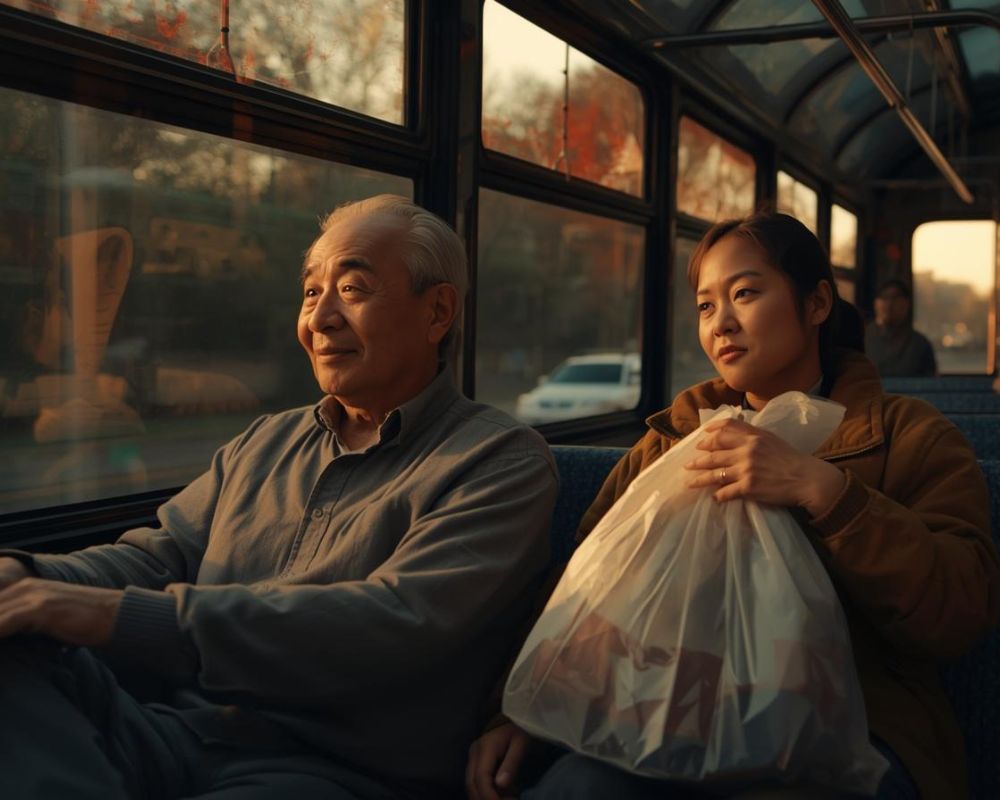
An older man got on a bus and sat down.
A strong, grumpy young woman climbed up
and sat down sharply beside the older gentleman,
hitting him with her numerous bags at the next stop.
When she saw that the older man remained silent,
the young woman asked why he did not complain
when she hit him with her bags.
The older man replied with a smile:
“There is no need to be upset about something so insignificant,
as our journey is so short because I am going to get off at the next stop.”

The Moment That Changed Everything
At first, his calm response surprised her.
Yet the more she thought about it, the more his words stayed with her.
Eventually, she asked him to excuse her
and said his words should be written in gold.
And she was right — because life is too short
to waste on anger and resentment.
After all, darkening it with struggles, useless arguments, jealousy,
and not forgiving others only drains our energy.
It keeps us stuck in moments that were never meant to last.
Did someone break your heart?
Stay calm, because holding on won’t heal it.
Life is too short.
Did someone betray, intimidate, cheat, or humiliate you?
Breathe. Don’t be stressed. In time, peace returns.
Life is too short.
Small Things Aren’t Worth the Weight
Sometimes we take words too personally.
Did someone insult you without reason? Then stay calm and move on.
Life is too short.
Did someone make a comment you didn’t like?
Instead of replaying it in your mind, just forgive it.
Life is too short.
Whatever the problems others bring,
they become heavy only when we keep carrying them.
In truth, our journey together is brief.
No one knows the length of our trip.
No one has seen tomorrow.
And nobody knows when we will arrive at our stop.
So yes, life is too short to keep looking backward.
Choosing Kindness and Gratitude
Therefore, let’s appreciate our friends and family.
Keep them in good humor.
Respect them while we can.
Let us be kind, loving, and forgiving,
and filled with gratitude and joy.
After all, life is too short to spend it any other way.
Are we still on the way,
or have we reached our destination sooner than we expected?
And then suddenly, we realize —
Life is too short.
A Quiet Reflection
I’ve read this at least five times since this morning.
It’s so accurate and beautifully written
that I decided to share it here — author unknown.
If anyone knows, please leave a comment.
Thank you.
Doris
x
Source: Brilliant.Quotes (Adapted)
Letting Go Feels Like Breathing Out
Every time I read this story, it reminds me to breathe.
When I hold on to anger, my chest tightens.
The air feels thin. My shoulders tense.
But when I let go — even quietly — it feels like breathing out after holding my breath too long.
Soft. Free. Weightless.
In the end, peace isn’t something we chase.
It’s what returns when we stop fighting everything around us.
That old man on the bus didn’t lecture.
Instead, he showed us through stillness
that life is too short to carry every irritation, every wrong, every argument.
Breathing Easier
And so we get to choose —
peace instead of grudges,
lightness instead of control.
If we can meet each other with kindness, even once a day,
we make this short trip together a little brighter.
So next time you feel anger rising, pause.
Breathe out slowly.
Whisper to yourself,
Life is too short.
And feel the ease return —
as if the air just became lighter again.
Life Advice for Your 40s and Beyond
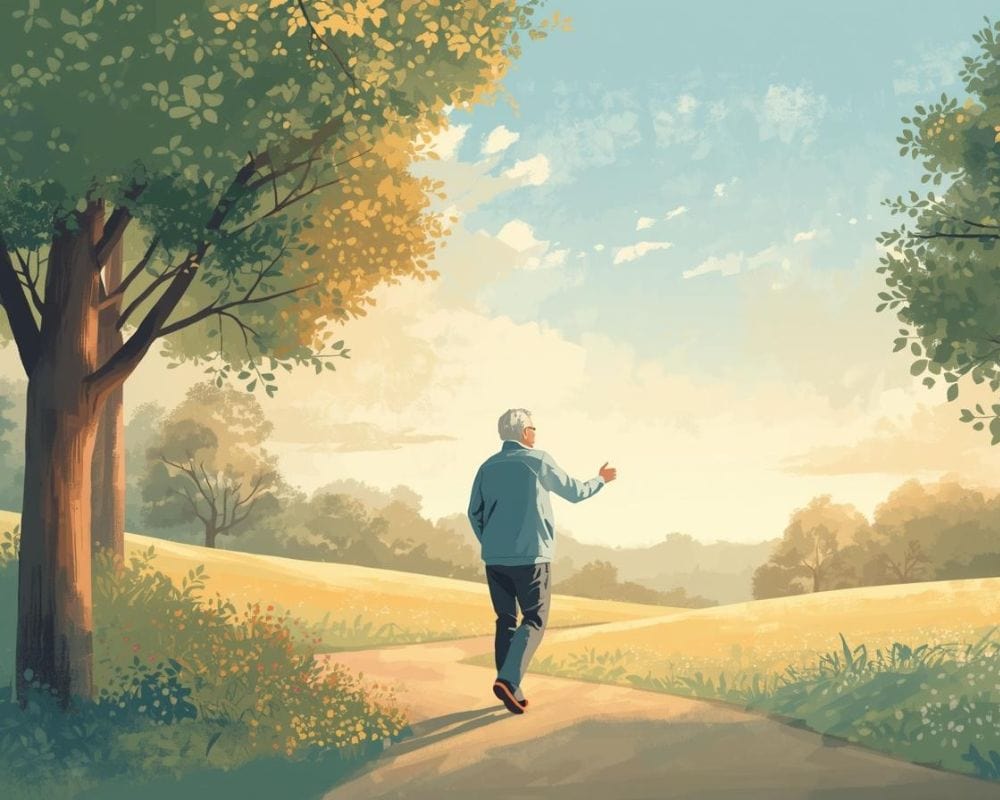
Life in your 40s is a time of reflection, growth, and possibility.
It’s also a stage where the choices you make now can shape your happiness for decades to come.
Life advice for this period isn’t about rushing—it’s about clarity, alignment, and intentional action.
Start With Yourself
Even in midlife, the search for how to live a happy life begins within.
Take time to check in with yourself.
Ask gently.
“Am I honoring my values today? Am I living in a way that will make me proud in twenty or thirty years?”
Happiness is not something to find—it is realized when you align your daily actions with your principles.
Small, consistent steps matter more than big leaps.
Wisdom From Those Who’ve Lived
Some of the best advice for life comes from the voices of experience. My grandmother’s guidance offers timeless lessons:
- Do what you love, even in small doses. Your passions are your anchor. It’s never too late to nurture them.
- Stay true to yourself. Decisions that ignore your values lead to regrets later.
- Choose your companions wisely. The people you surround yourself with influence your energy, mindset, and growth.
These are not rules—they are gentle reminders to invest in what matters most.
Build Habits That Last
Midlife is a chance to solidify practices that sustain you for decades:
- Simple routines like making your bed or tidying your space set a tone of clarity.
- Caring for your health through balanced meals, movement, and rest becomes increasingly vital.
- Mindfulness and gratitude help you manage stress and maintain perspective.
These happiness tips create a foundation for resilience and joy as the years advance.
Embrace Growth and Vulnerability
Even in your 40s, personal growth is ongoing.
Accept your imperfections, embrace vulnerability, and allow yourself to try new things without fear.
Seek mentors, read inspiring stories, and take lessons from those who’ve walked before you.
At this stage, personal growth is about knowing yourself better, building meaningful connections, and shaping the life you truly want.
Perseverance With Compassion
Life will bring challenges.
Perseverance now comes from wisdom, not impatience.
Small, steady effort matters more than dramatic achievements.
Show up for yourself and your loved ones.
Pursue meaningful work.
Take care of your health.
Never underestimate small, thoughtful choices.
Each step you take today shapes the years ahead.
Living Mindfully Into Later Life
As you move from your 40s toward your 80s, ask.
“How can I make each day meaningful?”
Life advice for this period focuses on intentionality.
- Cultivate gratitude daily.
- Strengthen relationships that matter.
- Pursue passions and hobbies that bring joy.
- Balance certainty with openness to new experiences.
Use these life advice, happiness tips, and personal growth advice to live fully today.
They also prepare you for a meaningful, vibrant future.
15 Simple Things That Show the Power of Gratitude
When life feels hard, gratitude resets your mindset with 15 simple hacks, daily gratitude habits, and journal ideas.
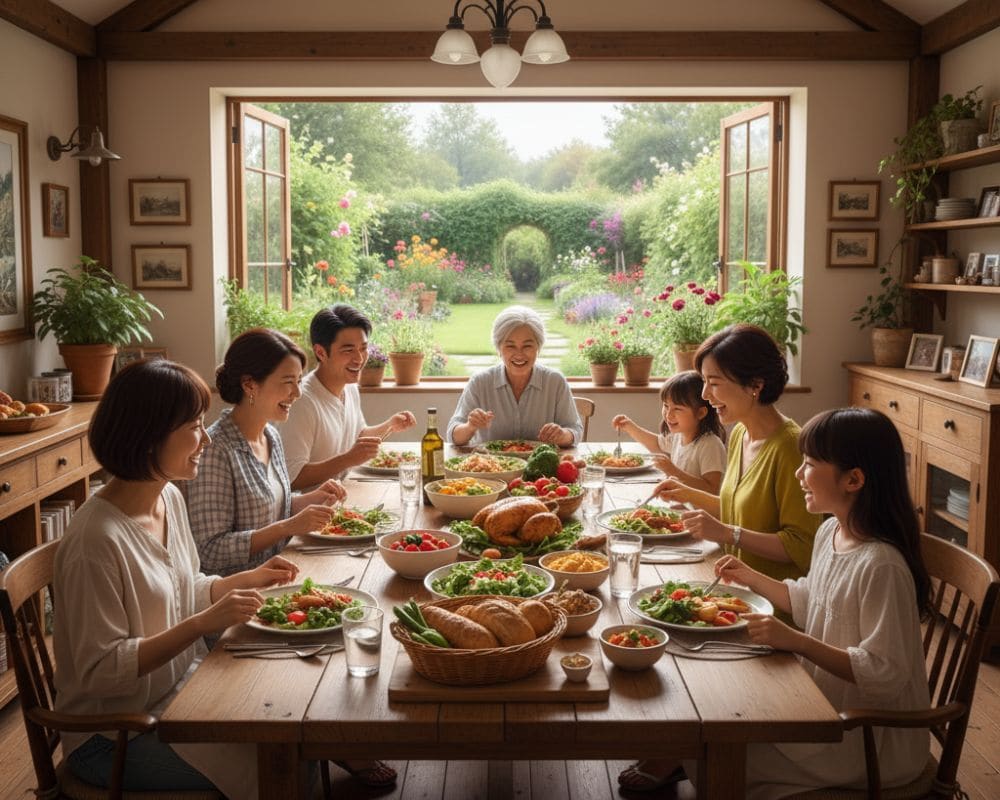
It helps you feel calmer and happier, even when everything seems out of balance.
We all have good days.
Those moments when things go our way, meetings end early, and life just clicks.
The sky feels brighter, your mood lifts, and everything seems to flow.
Then there are the tough days.
Days when you wake up tired, spill your coffee, and feel unmotivated before the morning even starts.
Your plans fall apart, and you start to wonder, what’s the point?
That’s when gratitude matters most.
As Ralph Waldo Emerson said,
“Cultivate the habit of being grateful for every good thing that comes to you and give thanks continuously.”
Gratitude isn’t only for the good times.
It’s the tool that helps us get through the challenging ones.
Why Gratitude Matters When Life Feels Heavy
Feeling frustrated or overwhelmed is part of being human.
But gratitude can change how we respond.
It shifts our focus from what’s missing to what’s already good.
When we notice even small positives, our perspective transforms.
Gratitude doesn’t pretend everything is fine.
It’s about seeing hope in ordinary things. That simple mindset reset is powerful.
What Being Grateful Really Means
Being grateful means recognizing and appreciating the good in your life — both big and small.
It’s a conscious choice to focus on positives and stop giving power to the negatives.
Practicing gratitude can improve your mental health, reduce stress, and help you sleep better.
When your mood improves, your relationships strengthen naturally.
Gratitude also nurtures patience, kindness, and presence in everyday life.
The Benefits of Gratitude
Better mental health: Reduces stress and helps you focus on what’s going right.
Physical well-being: Linked to better sleep, stronger immunity, and lower blood pressure.
Closer relationships: Expressing thanks deepens connections with others.
Emotional resilience: Helps you recover faster from setbacks and see challenges differently.
How to Practice Gratitude Every Day
You don’t need grand gestures to live a grateful life.
Small, consistent actions can make a huge difference:
Keep a gratitude journal: Write three things you’re thankful for each day.
Reflect daily: Take a quiet moment before bed to notice something positive.
Say it aloud: Let others know you appreciate them.
Savor moments: Enjoy the taste of food, the warmth of the sun, or laughter.
Focus on your blessings: Avoid comparing yourself to others.
These daily gratitude habits add up over time and shift your mindset naturally.
Gratitude in Everyday Life
Imagine a rough morning.
It’s raining, your plans fell apart, and your laptop crashes.
You could let frustration take over.
Or you can pause and ask yourself,
“what can I still be thankful for?”
Maybe it’s a warm cup of coffee, a message from a friend, or simply that you’re breathing.
That pause is powerful.
Gratitude helps you see that life still holds beauty, even in chaos.
15 Simple Things to Be Grateful For Every Day
Here are simple, everyday blessings that remind us how much life already offers:
- A Roof Over Your Head – A warm, safe home is a gift we often overlook.
- Clean Water – Millions still live without it; every glass is worth appreciation.
- Healthy Food – Meals fuel your body and mind; savor every bite.
- Clothes to Wear – Comfort and warmth are small but meaningful luxuries.
- Restful Sleep – A peaceful night’s rest is one of life’s underrated treasures.
- Simple, Free Pleasures – A sunrise, birdsong, or morning walk can fill your day with quiet joy.
- The Internet – It connects, teaches, and lets us share gratitude worldwide.
- The Ability to Learn – Every day brings new lessons and opportunities to grow.
- Family and Friends – Their love, laughter, and support make life meaningful.
- Good Health – Appreciate your body for all it allows you to do.
- Kindness from Strangers – A smile, a door held open, or a kind word can change your day.
- Strength After Setbacks – Challenges make us stronger; gratitude transforms pain into growth.
- Nature’s Beauty – Trees, oceans, and skies remind us to slow down and breathe.
- Quiet Moments – Pauses help us reconnect with ourselves and the present.
- The Gift of Life – Simply being alive is reason enough to give thanks.
How Gratitude Builds Resilience
Gratitude doesn’t erase problems.
It equips us to face them with more grace.
It gives perspective, patience, and peace of mind.
When we build gratitude into our lives, we don’t just react to challenges.
We grow through them.
That’s the true power of gratitude.
How to Live a Grateful Life
Being thankful is more than a feeling; it’s a daily choice.
The more you practice it, the more natural it becomes.
Start by noting what you’re thankful for each day.
Say it aloud, and share appreciation with others.
Pay attention to small moments.
Savor simple pleasures, and notice the kindness around you.
Let gratitude guide your perspective.
Even when life feels uncertain, a grateful mindset makes life richer, calmer, and happier.
You have the power to start today.
Quick FAQs
What are the benefits of gratitude?
It boosts happiness, strengthens relationships, and improves overall health.
How can I practice gratitude?
Try small habits like journaling or listing three things you’re thankful for each day.
Why is a gratitude journal helpful?
Writing regularly trains your mind to notice positive moments and focus less on the negative.
14 Short Heart Touching Gratitude Stories For My Mother
Short heart-touching gratitude stories shared by Satya Nadella – CEO of Microsoft.
Each story may change our attitude toward life and make us better.
Microsoft CEO Satya Nadella has opened up about how his journey with his son, who has special needs, has shaped his life and career.
Nadella’s son Zain, now 21, has cerebral palsy and is legally blind.
Zain’s pregnancy was complicated.
“I remember the year 1996 as a thrilling time.
My wife, Anu, was 25, and I was 29.
My career as an engineer was taking off while she was building her career as an architect,” Nadella wrote in a blog post.
“Even more exciting, however, was that Anu was pregnant with our first child.”
A DOOR CLOSES TO OPEN ANOTHER
Today at 7 AM, I woke up feeling ill but decided I needed the money, so I went to work.
At 3 PM, I got laid off.
On my drive home, I had a flat tire. When I went into the trunk for the spare, it was also flat.
A man in a BMW pulled over, gave me a ride, chatted, and offered me a job.
I start tomorrow.
A FATHER’S ADVICE
Today, my father told me, “Go for it and give it a try!
You don’t have to be a professional to build a successful product.
Amateurs started Google and Apple.
Professionals built the Titanic.
AFFECTION
Today, I kissed my dad on the forehead as he passed away in a small hospital bed.
About 5 seconds after he passed, I realized it was the first time I had kissed him since I was a little boy.
FALL AND RISE
Today, when I slipped on the wet tile floor, a boy in a wheelchair caught me before I slammed my head on the ground.
He said, “Believe it or not, that’s almost exactly how I injured my back three years ago.
GOODNESS & GRATITUDE
Today, after a 72-hour shift at the fire station, a woman hugged me at the grocery store.
When I tensed up, she realized I didn’t recognize her.
She let go with tears of joy in her eyes and the sincerest smile and said,
“On 9-11-2001, you carried me out of the World Trade Center.”
INNOCENCE
Today, in her cutest voice, my 8-year-old daughter asked me to start recycling.
I chuckled and asked, “Why?”
She replied, “So you can help me save the planet.”
I chuckled again and asked, “And why do you want to save the planet?”
“Because that’s where I keep all my stuff,” she said.

JOY
Today, when I witnessed a 27-year-old breast cancer patient laughing hysterically at her 2-year-old daughter’s antics.
I suddenly realized that I needed to stop complaining about my life and start celebrating it again.
KINDNESS
Today, a boy in a wheelchair saw me desperately struggling with my broken leg crutches and offered to carry my backpack and books for me.
He helped me across campus to my class, and as he was leaving, he said, “I hope you feel better soon.”
LOOKING BACK
Today, I interviewed my grandmother for part of a research paper I’m working on for my Psychology class.
When I asked her to define success in her own words, she said,
“Success is when you look back at your life, and the MEMORIES make you smile.”
LOVE CONQUERS PAIN
After I watched my dog get run over by a car, I sat on the side of the road, holding him and crying.
And just before he died.
He licked the tears off my face.

THE POWER OF UNIQUENESS
Today, I asked my mentor – a very successful businessman in his 70s – his top 3 tips for success.
He smiled and said, “Read something no one else is reading, think something no one else is thinking, and do something no one else is doing.
TOGETHERNESS
Today, as my father, three brothers, and two sisters stood around my mother’s hospital bed, my mother uttered her last coherent words before she died.
She said, “I feel so loved right now.
We should have gotten together like this more often.”
TRY & YOU SHALL KNOW
I am blind by birth.
When I was eight years old, I wanted to play baseball.
I asked my father- “Dad, can I play baseball?”
He said, “You’ll never know until you try.”
When I was a teenager, I asked him, – “Dad, Can I become a surgeon?”
He replied, “Son, you’ll never know until you try.”
Today I am a Surgeon, just because I tried!

SHARING
Today, I was traveling in Kenya and met a Zimbabwe refugee.
He said he hadn’t eaten anything in over three days and looked extremely skinny and unhealthy.
Then, my friend offered him the rest of the sandwich he was eating.
The first thing the man said was,
“WE CAN SHARE IT.”

Cheers to life!
In Conclusion:
You Can Go WrongThe Extra Mile With Gratitude Stories
With gratitude, whether we receive it from other people or experience it ourselves, we are deeply impacted.
Be kind.
Be appreciative of each other and count our blessings.
Bless others, too.
Make Gratitude a Principle of Your Life.
Share this and other stories to bless your friends and loved ones and make them smile.
Gratitude, when multiplied, returns a hundredfold and more.
Source:
Seven short stories shared by Satya Nadella [ CEO of Microsoft ]
14 Short Stories Shared By Microsoft CEO Satya Nadella
The moment that forever changed our lives
Grateful People Cope Better With Stress
While many of us cannot change our circumstances immediately, generally grateful people cope better with stress.
Alphonse Karr, the 19th-century French novelist, wrote,
“Some people grumble that roses have thorns, I am grateful that thorns have roses.”
As I think of friends, colleagues, and acquaintances’ reactions to COVID-19, Karr’s idea is at my heart.
It is confirmed that the pandemic continues to weigh heavily on all of us.
Many of us focus on statistics daily and grow weary.
There is this rising anxiety that we need to keep in check.
As I thought of the framework to pen this, I also thought of a helpful framework you can adapt and apply.
Whether you write in a physical journal, on a notepad, or even on the phone, gratitude helps us refocus our energy.
What do you want to achieve in the last leg of the 100 days before we greet 2022?
I have taken two quiet moments out of my day every day to be still and reflect.
One in the morning and the other before I go to bed.
It helps me focus on the complete picture of my daily life.
Is Gratitude A Coping Skill?
Research suggests that grateful people are more skillful and able to cope better with stress and regulate their emotions.
Feeling grateful can bring us a host of benefits.
The top of the list includes better mental and physical health and improved relationships.
Being aware just for a few minutes each day is enough to practice stress-releasing techniques wherever you live and whatever your circumstances.
The Power of Gratitude Helps You Cope Better With Stress
As I started wiring, my three daily gratitude lists began with “I am grateful for ….. because….”
I noticed a change.
The power of gratitude kept anxiety from dominating my inner emotional voice.
As I became more thankful and looked for things I am grateful for in my daily life.
I began to formulate several gratitude strategies.

What Am I Grateful For Daily?
I used to take for granted that I would wake up in the morning.
Ever since I realized my mortality, I wake up with a smile and thank God for the gift of life.
I am breathing, my body works, and I can complete my morning routine.
What’s Not To Be Grateful For?
Having breakfast and a good cup of coffee are things I appreciate.
As I continued my day, I found more and more little things to be thankful for and noted my ability to share my gratitude with others.
We don’t need to be on social media or use an app to bring gratitude into our routines.
Since I started, I have made it a point to earn quick 10-minute phone check-ins with a friend or two every day.
It is easy to pick up the phone to tell a friend or family member that we miss them and are thankful for them.
When I see the delivery guy or garbage collectors, AND when I look in the mirror, I say “thank you” aloud.
In other words, carefully pick up that rose, be aware of the thorn, and offer it to someone you love.
As you do, recognize that although you might prefer thornless roses, your robust gratitude practice doesn’t mean you must ignore the thorns to enjoy the beautiful blooms.
How Does Gratitude Help You Cope Better With Stress?
I’ve been encouraged to start gratitude journaling.
For people who may be stressed amid the pandemic, you may want to consider starting a gratitude journal.
Every morning, without fail, I think about what I am grateful for and then jot it down in my journal.
People often say, ‘What do you write? I don’t know what to write.’
So, I start my journal with the day and date.
One day I wrote, “Cloudy with a Chance of Meatballs.” Ordinary days, I write, ‘It is beautiful, sunny, maybe it’s raining.’
Keeping a gratitude journal amid the pandemic has helped me maintain an upbeat attitude with a positive mindset.
A journal gives us a sense of release.
I’ve stopped watching all the news as it was just so heavy.
Seeing all the COVID-19 cases and all the doom and gloom gets to everyone.
Amid the growing case counts and lives lost, it can be hard to find the good in the world,
With all the negative news of bad things happening, it is good to start with clarity and refocus on attracting goodness.
The journal is a way to keep track of all the golden nuggets that happen to me daily.
I want to encourage anyone struggling with pandemic stress to do the same.
Writing down what you are grateful for helps lift your spirits.
When the mind starts to go to dark places, you take your journal and read the highlights to remind yourself of all the good things that happen.
When faced with a negative situation or emotion, I flip the pages of my gratitude journal and find the silver lining.
We must train our minds to focus on what is excellent and praiseworthy and celebrate it repeatedly.
Morning Gratitude Routine HHelpsYou Cope Better With Stress
I work out a little every morning to get my blood pumping, my arms swinging, and my legs marching.
Working out helps reduce stress.
I listen to quick 55-minutemotivation tapes or reread my journals.
The simple act gives me a pick-me-up when I need an influx of positivity.
Our gratitude journals can serve as a reminder that there is still much in the world to be grateful for during trying times.
Healthy Approaches to Cope Better with Stress
Take little breaks
Break from watching, reading, or tuning in to the news and social media.
Take care of yourself.
Eat healthily, work out, get enough sleep, and give yourself a break if you feel stressed or overwhelmed.
Take care of your body.
Take deep breaths, stretch your body, or meditate.
Try to eat fresh, well-balanced meals.
Exercise frequently.
Get enough sleep at night.
Avoid excessive alcohol, tobacco, and substance use.
Continue with routine preventive procedures (COVID-19 vaccinations, annual health checks, and cancer screenings)
Could you make time to relax and take it easy?
Try some new activities you enjoy.
Talk to others.
Share your troubles and how you feel and cope with a parent, friend, mentor, physician, or minister.
Connect with others.
Talk with professional individuals or close friends you trust about your troubles and how you are going through them.
Connect with your community- or faith-based organizations.
If social distancing measures exist, try connecting online through social media, phone calls, or even letters.
Avoid stimulants and alcohol.
These may appear to help, but they can create added problems and increase your stress.
Recognize when you require more support.
If problems remain or you are considering suicide, speak to a psychologist, social worker, or professional counselor.
Source: